

 Feed back
 Privacy Policy
In today's globalized society, love transcends borders, blending diverse traditions into a rich cultural tapestry. American romance stands at this intersection, uniquely shaped by historical evolution and multicultural integration. This exploration of love traditions reveals how cultural influences continuously redefine romantic expression in the United States, from cinematic portrayals to everyday relationships that reflect our increasingly interconnected world.
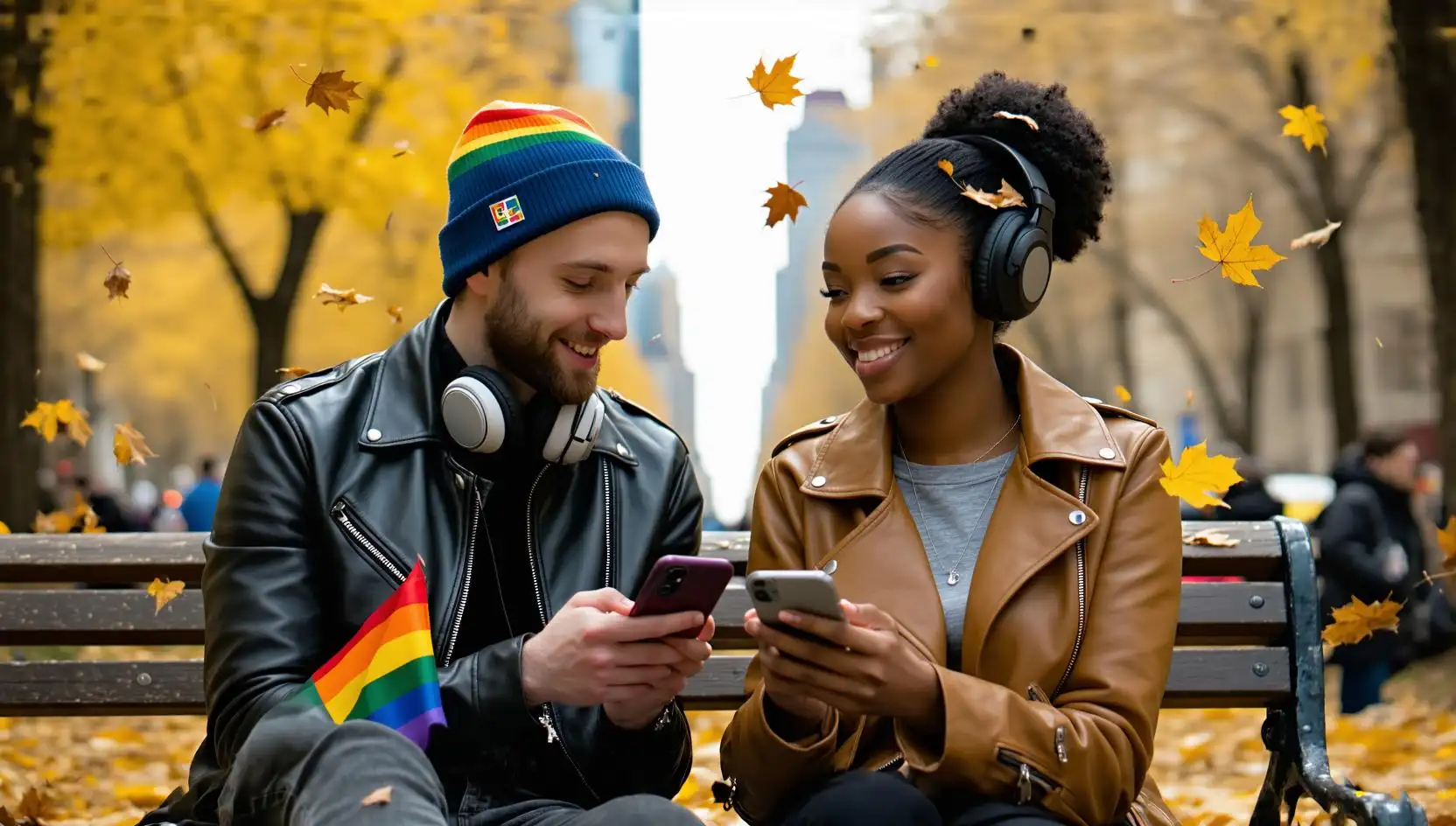
The roots of American romance intertwine with the nation's core values of freedom and individualism. Early settlers rejected arranged marriages, pioneering companionate unions based on mutual affection - a revolutionary concept that still influences modern love traditions. Nineteenth-century literary works by authors like Nathaniel Hawthorne further romanticized emotional fulfillment, creating enduring cultural narratives about passionate relationships.
No institution has shaped American romance more profoundly than Hollywood. Classic films established enduring tropes of grand gestures and soulmates, while contemporary productions explore complex relationship dynamics. Television's evolving portrayals of dating, marriage, and friendship continue educating audiences about healthy partnerships, demonstrating how cultural influences permeate our romantic expectations.
Today's American romance blends tradition with innovation. Digital platforms have transformed courtship through apps and social media, yet fundamental needs for trust and commitment remain unchanged. This balance between technological advancement and emotional authenticity characterizes current love traditions among millennials and Gen Z, who prioritize genuine connection over superficial markers of relationship success.
America's melting pot identity enriches its romantic landscape through diverse cultural influences. Immigrant communities preserve ancestral love traditions while gradually blending them into mainstream practices. From Italian wedding feasts to Latin quinceañeras, these cross-cultural exchanges create increasingly personalized expressions of commitment that honor multiple heritages simultaneously.
Religious beliefs and geographic factors create striking variations in American love traditions. Christian, Jewish, and Muslim ceremonies each follow distinct rituals reflecting their values. Meanwhile, regional differences manifest in everything from Southern church weddings to West Coast beach ceremonies, proving that local culture significantly influences romantic expression throughout the United States.
Increased mobility and digital connectivity have made cross-cultural relationships commonplace. Pew Research data shows 15% of new U.S. marriages are interracial or interethnic, creating hybrid love traditions that blend customs from multiple cultures. These unions navigate complex negotiations around courtship, gender roles, and family involvement, exemplifying how American romance adapts through cultural influences.
American love traditions have evolved dramatically across generations. The 1950s emphaized chaperoned propriety, while subsequent decades introduced sexual liberation, feminist perspectives, and digital dating. Today's youth embrace diverse relationship models including polyamory and queer partnerships, reflecting broader societal acceptance of non-traditional romantic expressions.
Weddings remain powerful expressions of American romance, though their forms continually diversify. The Knot's 2023 study reveals 70% of couples now incorporate cultural elements, blending tradition with personal identity. From minimalist elopements to eco-conscious celebrations, modern weddings demonstrate how love traditions adapt while maintaining symbolic significance.
Technology has revolutionized American romance through dating apps, virtual communication, and social media expressions of affection. Emerging innovations like VR dating and AI companionship suggest future love traditions may transcend physical interaction entirely, presenting both opportunities and ethical challenges for maintaining authentic human connection.
Comparing American romance with European traditions reveals fascinating contrasts. French love culture emphasizes intellectual passion and spontaneity, valuing emotional depth over structured commitment. This philosophical approach to romance has influenced American artists and intellectuals seeking more profound relationship connections.
German romantic traditions prioritize stability, loyalty, and practical partnership over expressive spontaneity. This disciplined approach resonates with certain American relationship models, though cultural differences emerge in courtship pace and commitment expectations. Both systems demonstrate how cultural influences shape distinct love traditions.
Globalization facilitates continuous exchange between American and European romantic ideals. Hollywood exports American relationship narratives worldwide, while European philosophies about family and equality influence U.S. perspectives. This reciprocal cultural influence enriches both continents' love traditions through shared emotional experiences and values.
Emerging technologies will further transform American romance through AI matchmaking, blockchain contracts, and immersive virtual experiences. These innovations promise convenience but require careful consideration of privacy, emotional authenticity, and the human need for genuine connection in love traditions.
Increasing acceptance of LGBTQ+, interracial, and polyamorous relationships demonstrates American romance's expanding inclusivity. Media representation plays a vital role in normalizing these diverse love traditions, fostering cultural understanding and celebration of all romantic expressions.

Despite rapid change, the future of American romance depends on maintaining core relationship values. Mindfulness practices and mental health awareness help individuals cultivate meaningful connections amidst technological and social transformation, ensuring love traditions evolve without losing emotional depth.
American romance thrives through its dynamic blend of cultural influences and love traditions. From ancestral wedding customs to digital-age relationships, this ever-evolving landscape demonstrates love's remarkable adaptability. By embracing diversity and authenticity, American romantic culture continues redefining itself while preserving the universal human need for meaningful connection.
Smith
|
2025.06.24


